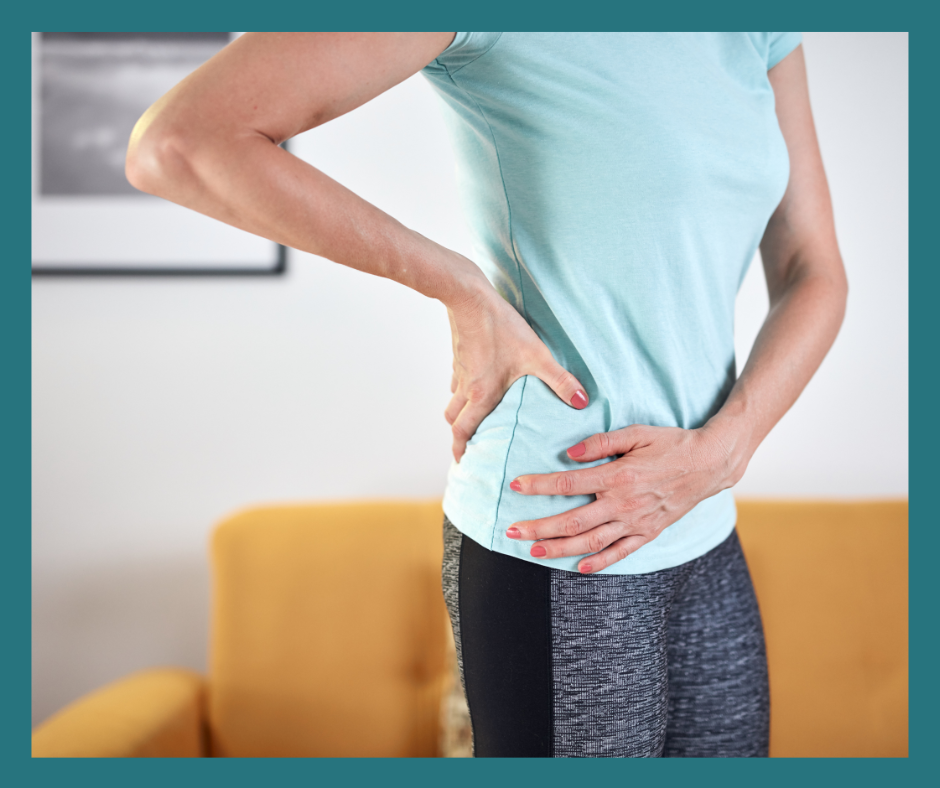
Lateral hip pain, trochanteric bursitis and greater trochanteric pain syndrome are all different names for pain on the outer aspect of the hip.
What can cause the problem?
It occurs when the soft tissues which attach to the outside of the hip get irritated and can present more commonly in females between 40 and 60 years old but can affect any age.
It can start after increasing your activity levels perhaps with more walking or running since these muscles have an important role in locomotion. Sometimes this can be accompanied by low back pain or knee pain if there has been a significant increase in activity. The muscles which are affected tend to be the gluteus medius and minimus which are the pelvic stabilisers and often referred to as the side glutes.
Signs and symptoms of lateral hip pain may include:
- Pain in the hip/thigh/buttock area
- Worse pain when lying on the side of the affected hip
- Pain increasing with exercise such as periods of walking, standing and running
- Tenderness to touch
- Pain sitting with your legs crossed.
- Pain when standing on the affected leg
- Pain when climbing stairs
- Pain lifting legs in and out of the car or bed
What causes lateral hip pain?
- A sudden increase in load on your hip
- An increase in activity levels such as increased walking distances or increased running training
- Increased pressure to the hip area through sitting or standing in one position for too long
- Reduced strength and flexibility of the muscles around the hip and buttock
- Having a sedentary, inactive lifestyle or being overweight
- Hormone changes may influence this condition
What Can I Do To Improve My Symptoms?
- When standing, ensure that you spread your weight equally between both legs
- Avoid low chairs and crossing your legs when seated.
- Avoid sleeping on the affected side
- Try to keep active and lead a healthy lifestyle in order to maintain a healthy weight.
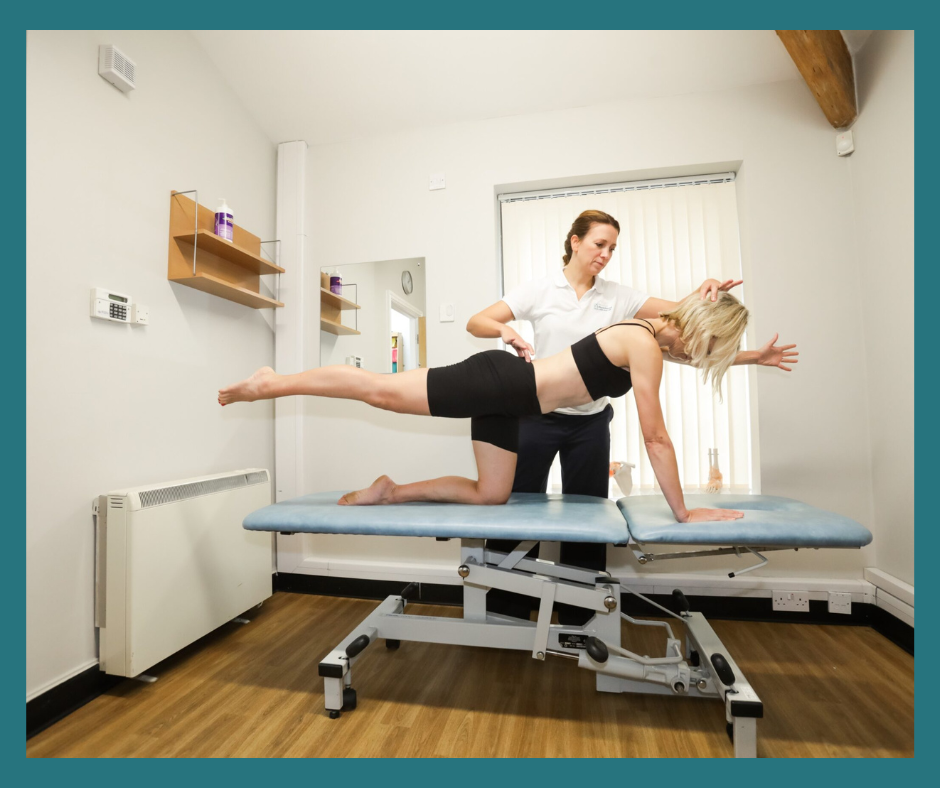
- To rehabilitate muscles and tendons, it is important to have a tailored rehabilitation programme which involves stretching and strengthening. It is normal to feel an uncomfortable pull when undertaking stretches However, it is important to undertake pain free strengthening otherwise you can make the problem worse.
Physiotherapy treatment can be useful to get you onto the road to recovery. Manual therapy, soft tissue release, advice and prescription of a tailored exercise programme are a good starting point for your rehabilitation journey. Sometimes acupuncture can be used for pain relief, it can help to relieve the tension in the muscle which is driving the pain.
Core stability exercises including the shoulder bridge and the clam can help ease symptoms by strengthening the glutes and the deep abdominal muscles and this helps prevent reoccurrence. Self massage can also be undertaken by using a prickle/spiky ball or foam roller.
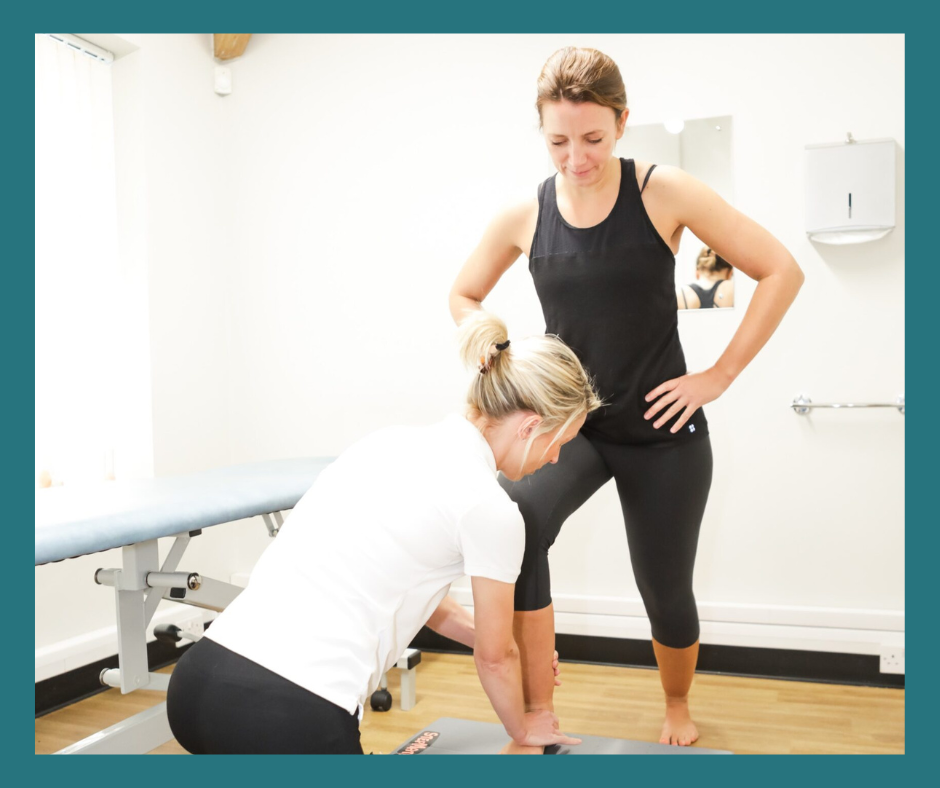
Strengthening Exercises:
Soft Tissue Release with the Foam Roller and Spiky Ball:
Stretches to try initially and then more stretches to progress to:
Are you following our socials? If not click the buttons below:
If you’d like more information on how Altrincham Physiotherapy can help you improve your health and fitness get in touch by, calling us on 0161 926 9988 to arrange a consultation or visit our website.