At the clinic we have been enjoying the longer days, getting new classes up and running and helping those of you prepare for the up and coming marathon season! Though we’re now looking forward to a little rest and battery recharge time over the Easter weekend. Not to mention the Easter eggs!
Finally Spring may finally be arriving… and Easter is a time for new beginnings!

Could this be the time to start your Pilates journey?

Our new in house Pilates classes have been going well. It’s fantastic to have so many classes back up and running. Also, the Zoom sessions and recordings remain popular and a great way to get a second dose of Pilates into your week.
However, if you are new to Pilates you may wonder what is clinical Pilates and how could it benefit you?
Clinical Pilates is a specifically prescribed programme that uses evidence based exercise. The programme is designed to effectively treat a wide range of acute and chronic health conditions. Pilates-based exercises teach awareness of optimal posture and strengthen the core muscles. The exercises integrate whole body movement, postural alignment, coordination and mobility. Click on the link below to see our full programme of Pilates classes: https://altrinchamphysio.co.uk/pilates-timetable/
Good luck to those entered in the Manchester and London Marathons this month!

Have a look at our expert guide on how to keep your training on track via the link below: https://altrinchamphysio.co.uk/keep-your-training-and-exercise-on-track-our-expert-guide-to-avoiding-calf-and-achilles-tendon-injuries/.
We know you will have been incorporating your Pilates into your training. Working on hip strengthening and stretching is important for prevention of injury for longer distance events.
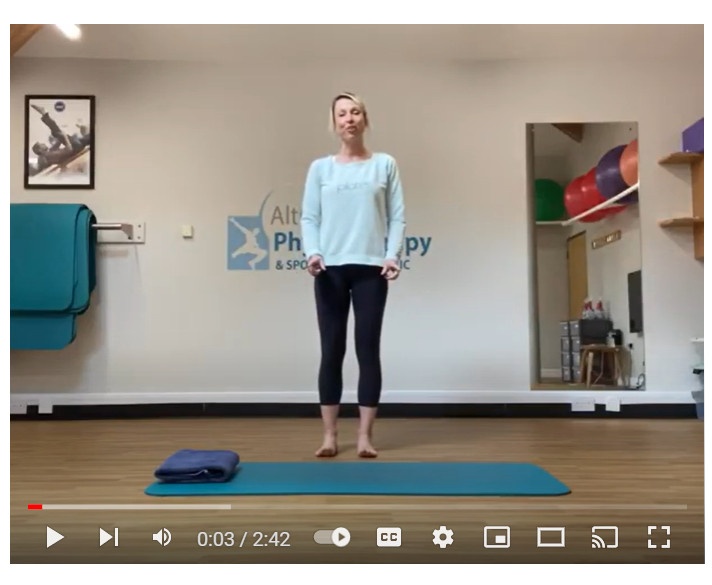
And remember if you have some spare time over Easter, you can access our YouTube channel and website for extra Pilates and advice https://www.youtube.com/@altrinchamphysiotherapycli2829/videos .
Hop, skip and jump in comfort this Easter!

As we head into those extra days off; whether you are going to use the time to travel, DIY, increase your training or chase the kids on their egg hunt, if you need a pre-Easter check up or help with an ongoing condition you can book an appointment 0161 926 9988.
Again, while prevention is always better than a cure… if you do suffer an injury over the bank holiday weekend here is some helpful general advice on managing mild or moderate injuries be they sporting, DIY or egg related!
Think about the PRICE!
For symptoms of acute injury, remember P.R.I.C.E. These symptoms include:
- Localised pain
- Swelling
- Redness or bruising
- Limited range of motion
- Decreased function
P.R.I.C.E : Protection, Rest, Ice, Compression and Elevation can help to safely manage injuries in the first 24-72 hours until symptoms are relieved or an assessment is available.
P: Protection – Protection from further injury: a walking aid to decrease weight bearing or a splint or sling to support a joint.
R: Rest – Relative rest! While you should avoid stressful activities for the area, simple pain free range of movement exercises for mobility and circulation can speed recovery.
I: Ice – aimed to reduce swelling and decrease pain. Make sure the skin is protected, using a damp tea towel to wrap crushed ice or peas. Then apply to the area for 10-15 mins. In addition, a break for 1 to 2 hours has been shown to be the most effective and safe way to use ice.
C: Compression – for example with an elastic bandage, tape or tubi-grip can help to minimise swelling and provide some proprioception to the joint.
E: Elevation – can help to reduce pooling of fluid particularly at an extremity. For example placing an injured ankle up on a foot stool.
Finally, when to access emergency medical assessment:
- Suspected fracture or dislocation: evidence of deformity, inability to weight bear.
- Worsening signs and symptoms, loss of sensation, pulses or increasing extreme pain.
We wish you all a safe & happy Easter!