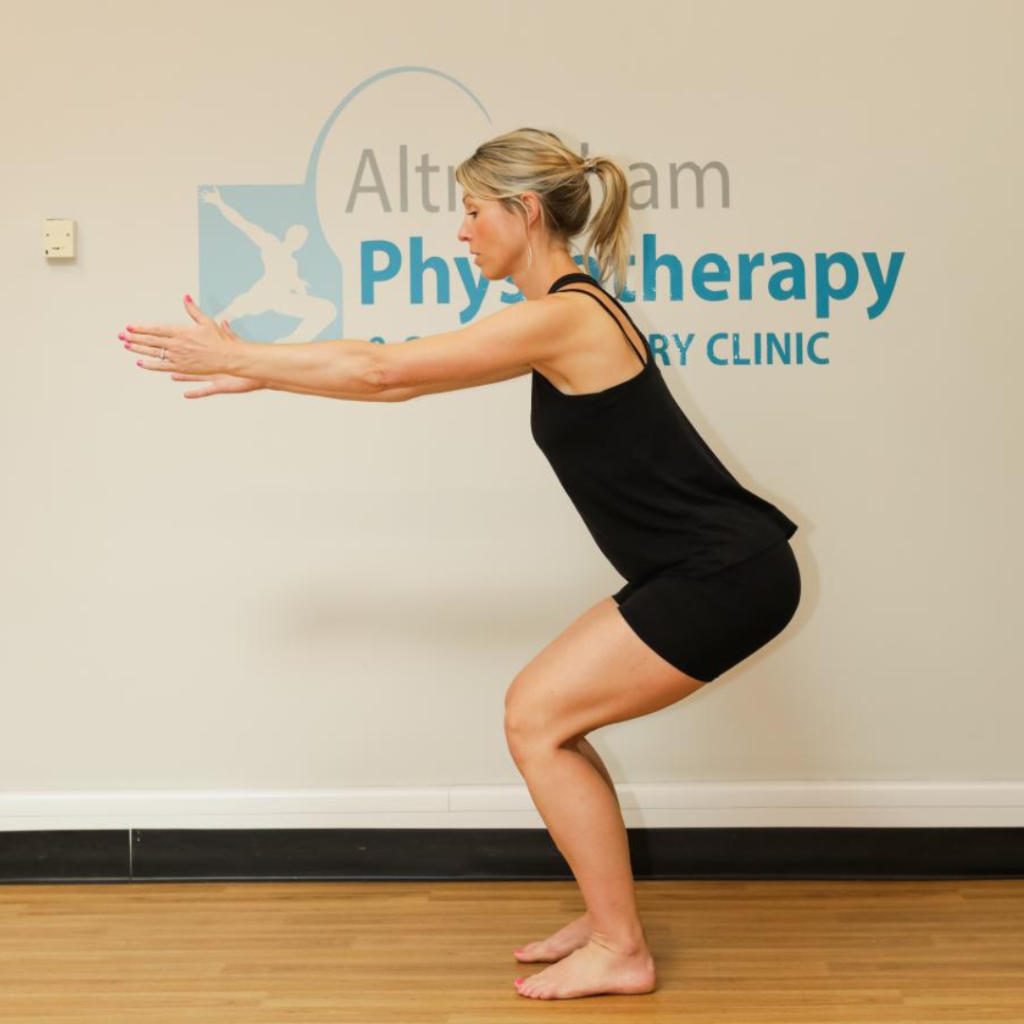
Last month, Laura took on the challenge of completing 100 squats every day throughout February to raise money for Cancer Research UK.
Thanks to the incredible generosity of patients, friends and the local community, she raised £675 through JustGiving.
A fantastic achievement and a great example of how our community comes together to support important causes.
Exercise doesn’t just strengthen muscles; it changes the signals circulating in your bloodstream.
Why movement matters
When you move, your body releases molecules that influence how cells behave, including how they repair DNA and regulate growth. Research increasingly shows that movement can change biology, not just fitness.
Regular physical activity has been shown to:
• Reduce the risk of several cancers, including bowel, breast and prostate
• Improve immune function and DNA repair
• Reduce inflammation and fatigue
• Improve quality of life during and after cancer treatment
Some studies suggest that physically active people have around a 20% lower risk of bowel cancer compared with those who are sedentary.
Even short bursts of exercise can help
Recent research from Newcastle University found that just 10 minutes of intense exercise can trigger anti-cancer signals in the body.
The study showed that exercise increased certain proteins in the bloodstream that help with DNA repair and healthy cell metabolism, while reducing signals linked to tumour growth.
You can read more about the research here.
Small movement, big benefits
Exercises like squats help strengthen the hips, knees and lower back, supporting everyday movements such as walking, climbing stairs and getting up from a chair.
You do not need to do 100 a day to benefit. Even 10 squats or a short brisk walk can make a difference when done regularly.
Small, consistent movement often has a bigger impact than occasional long workouts.
If you need support with movement
If pain, injury or stiffness is stopping you from being active, physiotherapy can help you move more comfortably and safely.
To speak to our team or arrange a consultation, call us on 0161 926 9988 or click here to book an appointment.