Anyone For Tennis?
Wimbledon is here and while we’re missing Andy Murray in the singles, we’re loving watching the players so far How good was Emma Radacanu on Wednesday?!). It’s such a physical game and we see so many people with tennis (or other sporting) injuries and one of the most common is Shoulder Impingement.
Shoulder Impingement
Do you have catching pain in your shoulder when you take a serve? Or perhaps it is sore when you take a power shot or it aches after a game. It could be shoulder impingement. Sometimes, people can complain of a catching pain in the shoulder when their arm is in certain positions such as when the arm is reaching out to the side or taking an overhead shot

What is shoulder impingement?
Shoulder impingement pain is where the muscle tendon rubs or catches on nearby tissue and bone above it as you do overhead activities. It affects the rotator cuff tendons which connect the muscles around your shoulder joint to the top of your arm. It often improves in a few weeks/months, especially with the correct type of exercises but it can be an ongoing problem.
Common Symptoms
- Pain in the top and outer side of your shoulder
- Pain that’s worse when you lift your arm, especially when lifted above your head or put behind your back
- Pain or aching at night, which can affect your sleep, especially sleeping on the affected side
- Weakness in your arm
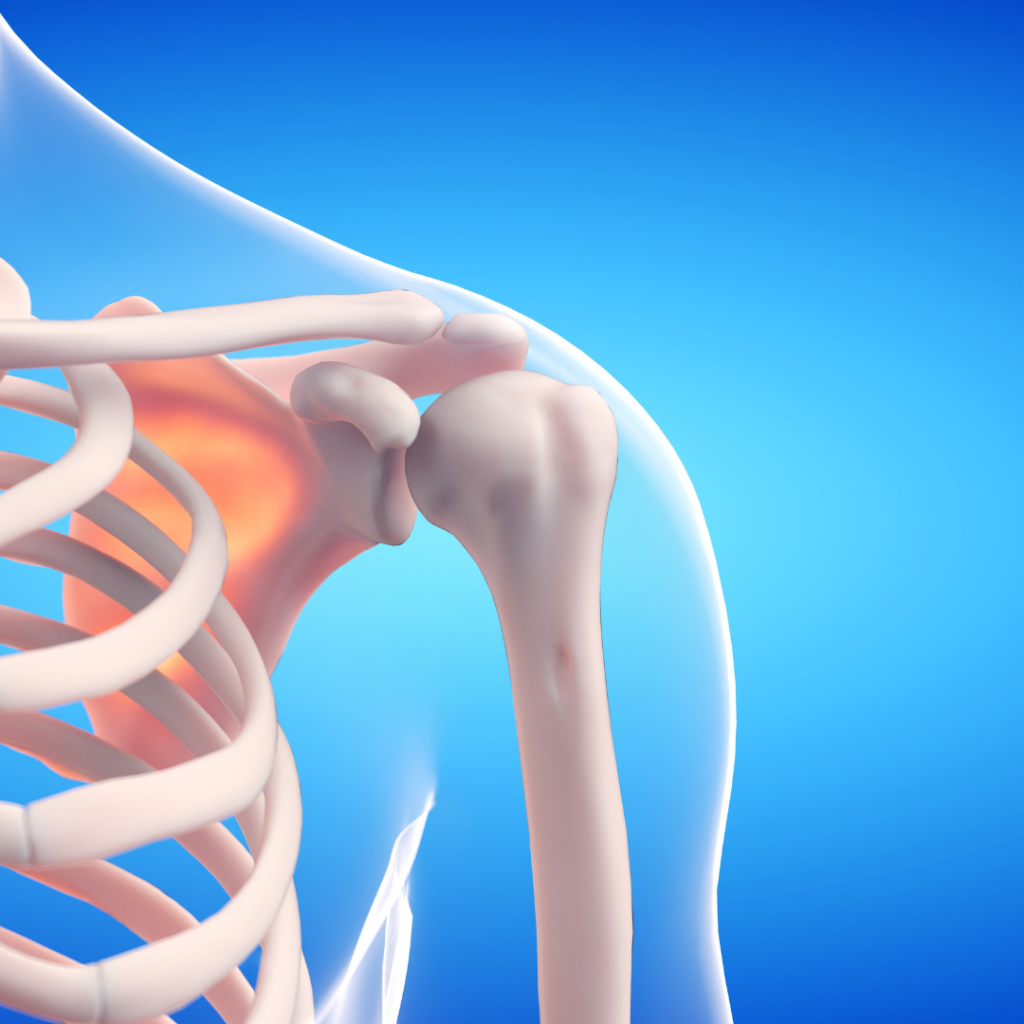
What are the causes of shoulder impingement?
- A tendon becoming swollen, thickened or torn – this can be due to an injury, overuse of the tendon from sports such as swimming or tennis or “wear and tear” as tendons age.
- The fluid-filled sac (bursa) found between the tendon and acromion becomes irritated and inflamed causing a bursitis – an injury or overuse of the shoulder can also cause this.
- The muscles in the rotator cuff can become weak as a result of poor shoulder joint position. This can be caused by overuse of the muscles at the front of the shoulder
- The weakness in the rotator cuff tendons, which keep the head of the arm centred in the socket of the shoulder, can result in the head of the arm gliding up and irritating the bursa.
What can I do to recover or avoid this condition?
- Improve the positioning of the shoulder and improving shoulder girdle posture is important.
- Strengthening the rotator cuff muscles and the muscles around the shoulder blade is essential to recover from this condition.
- Keep exercises pain free and rest from aggravating activities.
What can I do to help?
- Avoid activities that make the pain worse which include repeatedly lifting your arm above your head.
- Do not stop moving your arm completely – try to carry on with your normal daily activities as much as possible so your shoulder does not become weak or stiff. It’s usually best to avoid a sling.
- Over the counter painkillers such as paracetamol and ibuprofen as appropriate.
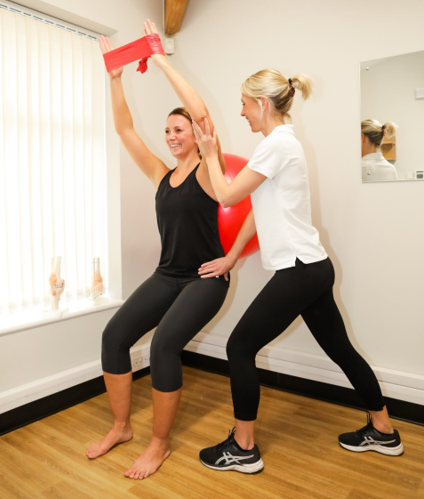
What is the best treatment?
- Exercise can help improve posture and increase the strength of the stabilising muscles around the shoulder.
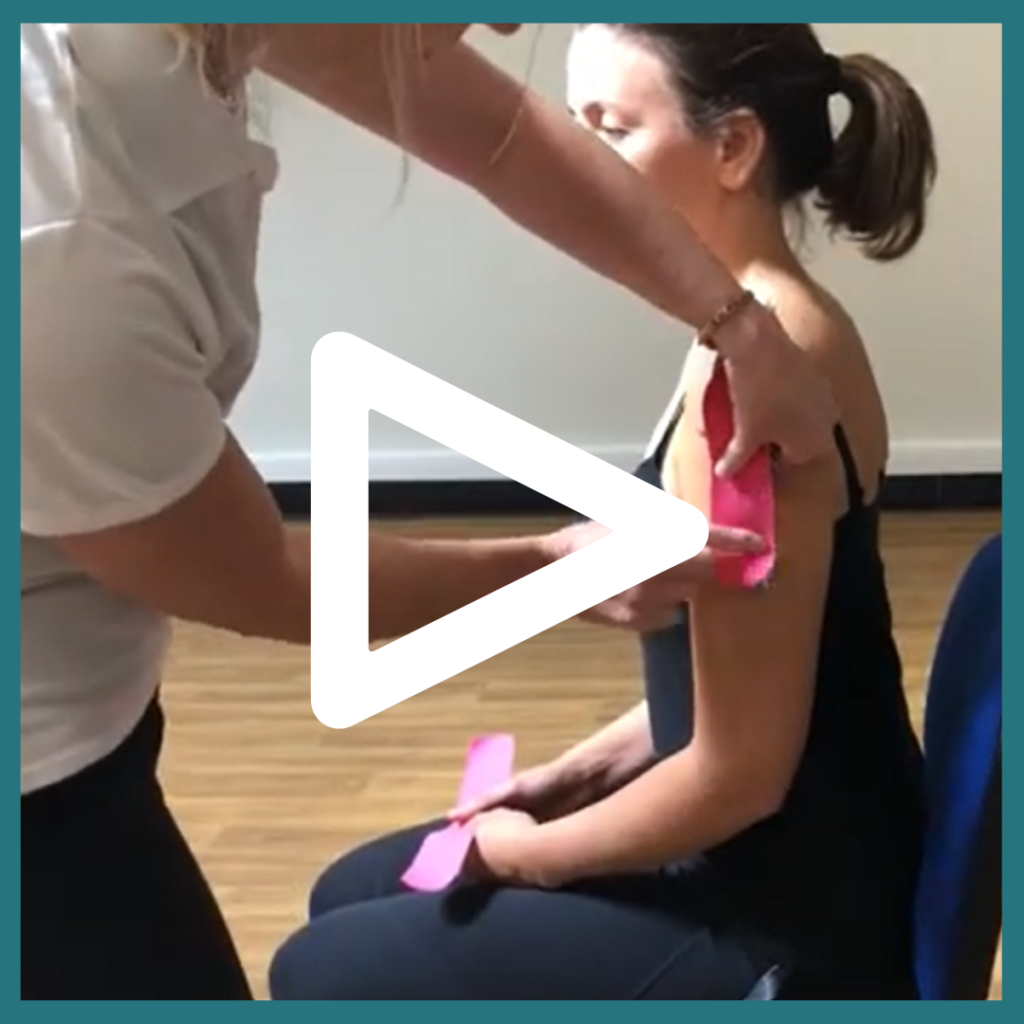
- Some people tape their shoulders before sport as they feel it offers support: See video below.
- Steroid injections are sometimes useful, but only after a trial of physiotherapy treatment/exercises.
Links to rehab ideas on YouTube
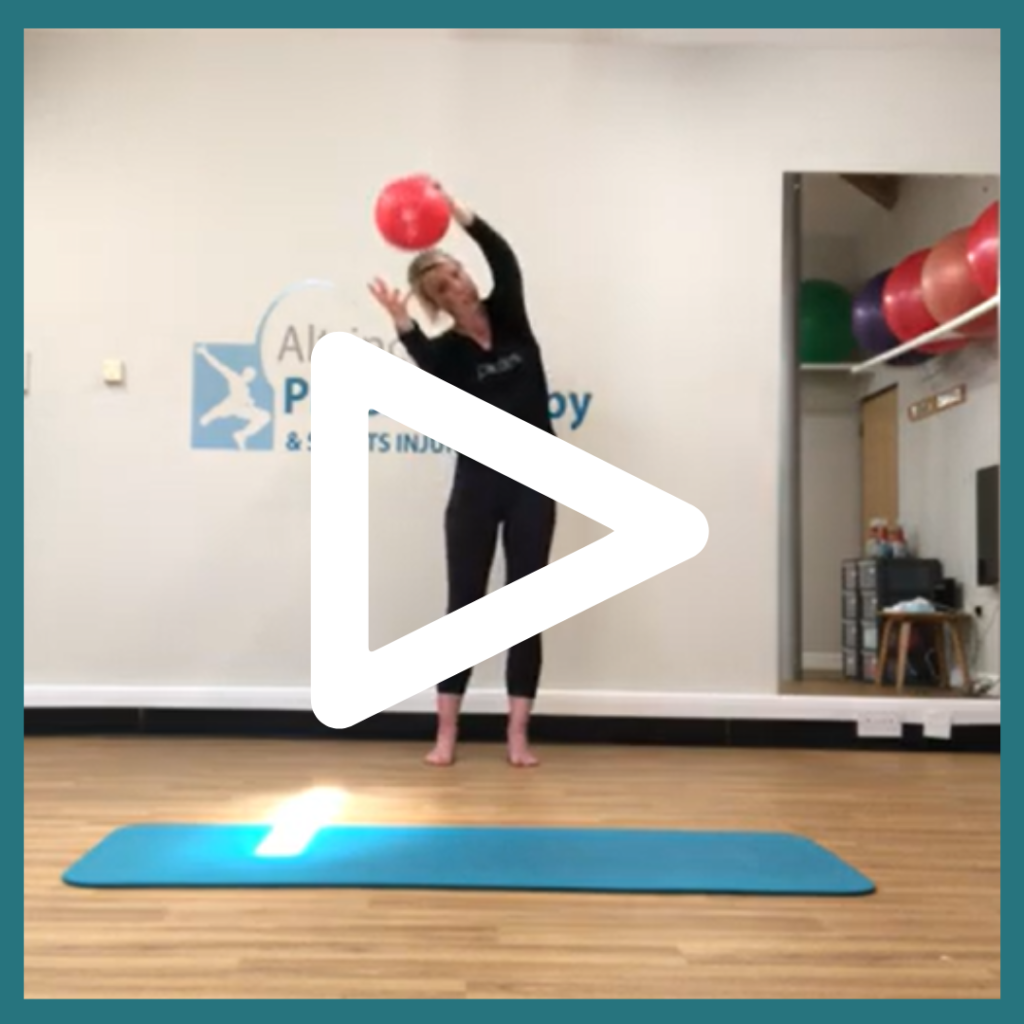
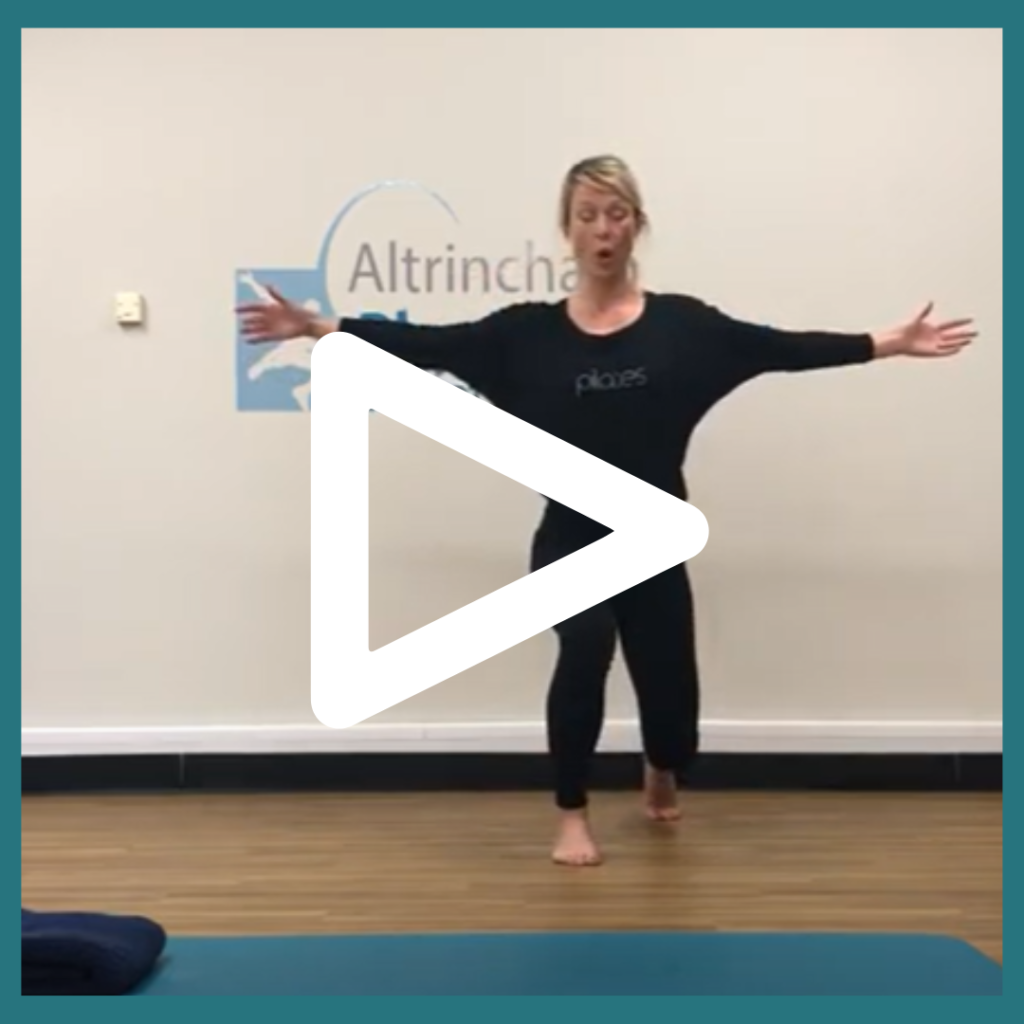
Please click on the images for rehab ideas the two Cath’s have done to help you recover from your shoulder injury and also help with your tennis.
Pilates For Tennis:
Warm up for tennis:
Strengthening Exercises For The Shoulder:
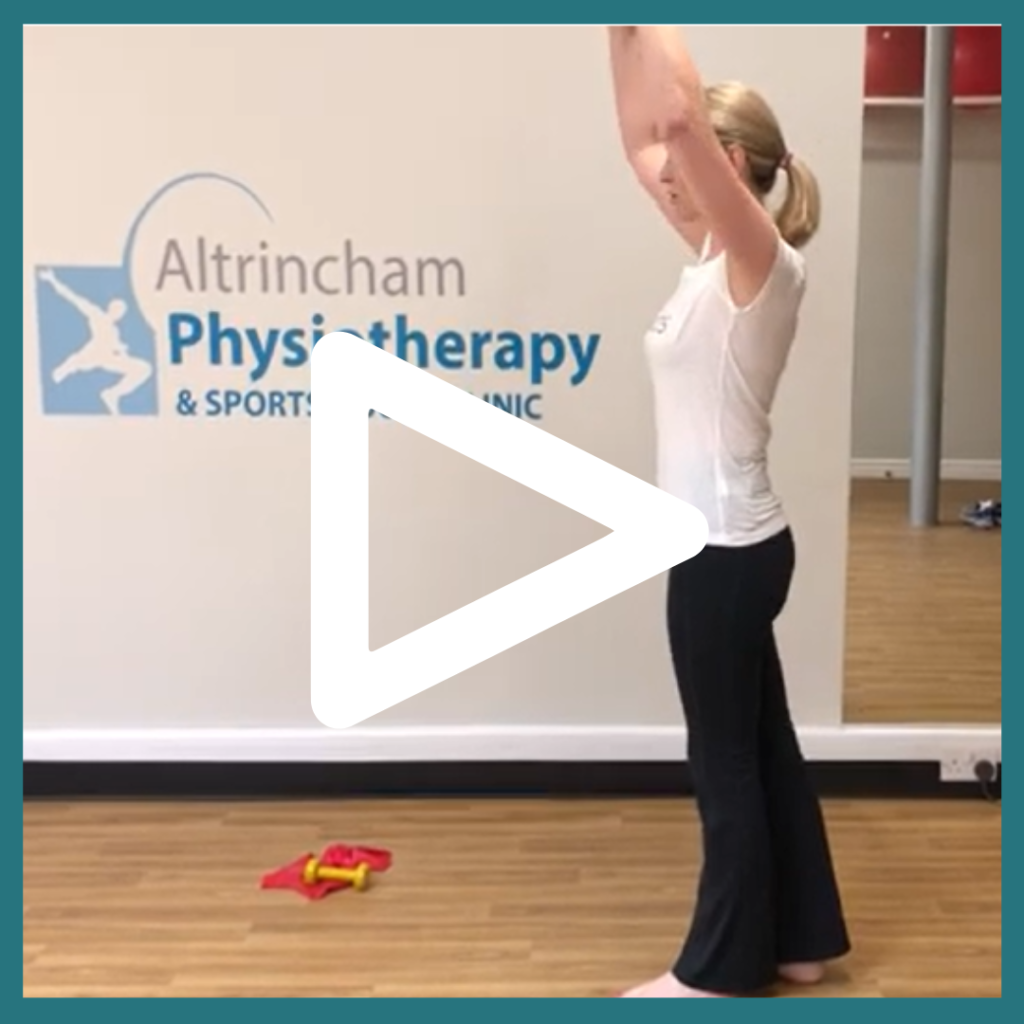
Shoulder Taping:
If you’d like more information on how Altrincham Physiotherapy can help you reduce your shoulder pain, get in touch by, calling us on 0161 926 9988 to arrange a consultation or visit our website.