Avoiding Calf and Achilles Tendon Injuries
Spring is in the air and before long we will be thinking of returning to those spring and summer sports. Calf injuries and Achilles tendinopathy can spoil your return to sports especially running and tennis. So what can we do to prevent injuries in those first few weeks of the season and keep your training and exercise on track? Find out more with our expert guide to avoiding calf and Achilles tendon injuries.
What is Achilles tendinopathy and how can we prevent it?
The Achilles tendon is the largest tendon in the body and joins the heel bone to the calf muscle it is essential to give you the spring and push off required in sport. Achilles tendinopathy is a common overuse injury which develops as a result of overload of this tendon. Over time tiny repeated injuries (known as micro trauma) accumulate in the tendon leading to pain stiffness and swelling.
A few factors which put the tendon at risk for overload are tight calf muscles, over-pronated feet or a sudden increase in training intensity. Achilles tendinopathy can also be brought on by physical trauma or by straining the tendon or calf during exercise. Sports such as tennis, squash or running are often risk factors due to their high velocity, direction change and intensity.
What are the symptoms of Achilles Tendinopathy?

Morning pain is a hallmark symptom because the Achilles tendon must tolerate a full range of movement including a stretch immediately after getting up. Symptoms are typically localised to the tendon.
Runners tend to notice pain at the beginning of a run which will then become more bearable as they warm up followed by an increase in pain when they stop. Over time as symptoms worsen, pain may also begin to be felt on day to day activities such as going up stairs, driving or even walking. There is usually pain on palpation of the Achilles tendon and the tendon may appear thickened.
What is the recommended treatment?
- If the problem is acute then rest and time off sports is very important
- Ice and elevation can help to control pain and reduce swelling
- Heel raises to offload the tendon can also be useful in the early days
If the tendinopathy is non acute (i.e. not caused by a specific incident) then complete rest is not indicated and recreational activity can be continued within pain tolerance. Read more advice on running injuries here .
Exercises to stretch and strengthen the Achilles tendon are essential but need to be done when any severe pain has settled to avoid irritating the tendon further.
How can Physiotherapy help avoid calf and Achilles tendon injuries?
Physiotherapy treatment may involve:
- Ultrasound and massage will also help to relieve symptoms and promote healing
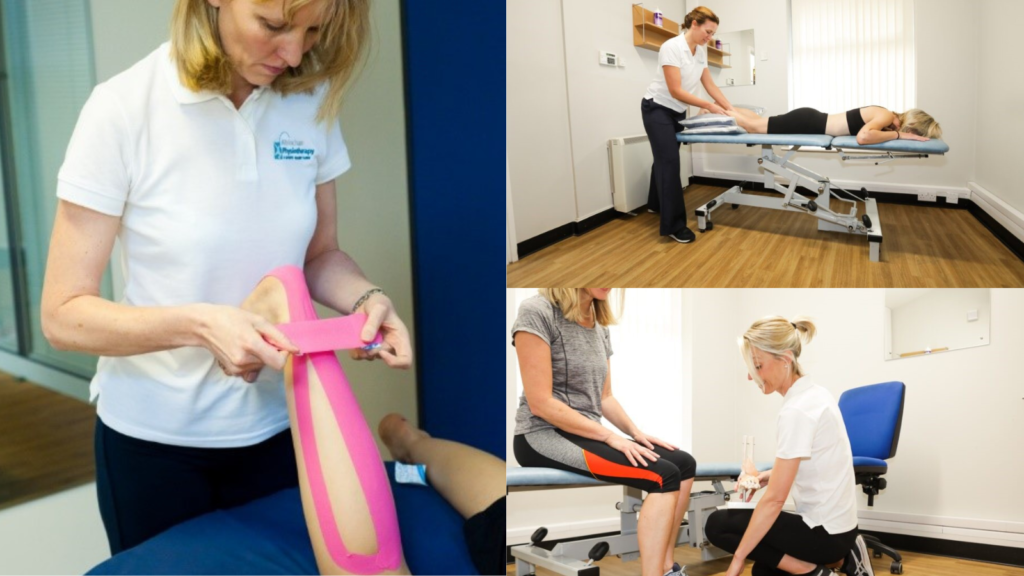
- Taping can help in the initial painful stage and allow return to sports
- Acupuncture can also be useful, it increases circulation in the area of the tendinopathy and therefore promotes healing and helps with the pain
Your physiotherapist is also the ideal guide, giving you advice on when to progress your exercises and return to sport as well as general advice on activity modification.
How can I prevent Achilles tendinopathy and still increase my training?
- At the start of the tennis season, remember to warm up and stretch before a match
- Increase your playing intensity gradually over the first few weeks of the season, especially if you haven’t done much high impact exercise over the winter
- Think carefully before signing up for singles, doubles and mixed doubles matches. This could increase your activity too quickly and lead to injury
- When increasing your running training, gradually add in hill training
- Be aware of the risks of training on hard surfaces or slopes
- Introduce changes in speed, distance and frequency slowly and make sure you are having regular rest days to give your tendon chance to repair between training sessions
We hope you’ve found our expert guide to avoiding calf and Achilles tendon injuries helpful.
For any further advice or information please call 0161 926 9988 or click here to arrange a consultation